

The History of the Tesagan Gin Jay in Phuket
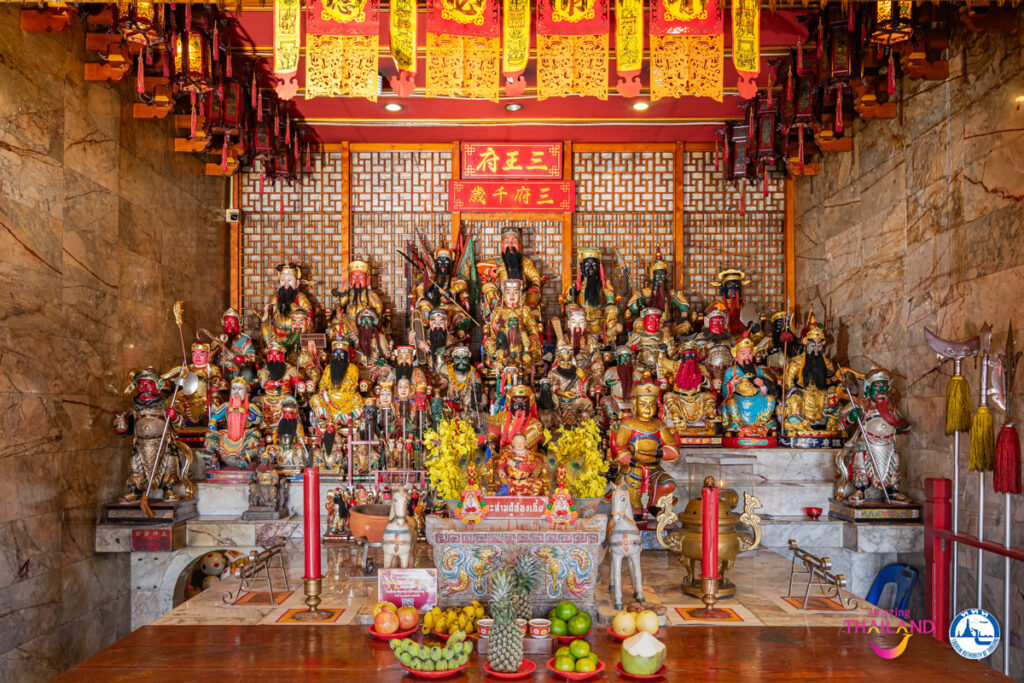
The Gin Jay Vegetarian Festival originally stems from devotional Chinese and Mahayana Buddhist traditions, most notably honoring the Bodhisattva Guanyin. According to core religious beliefs, the festival is held to worship the Nine Emperor Gods manifestations of seven ancient Buddhas and two Great Bodhisattvas who govern the five elements and correspond to nine celestial bodies (including the Sun, Moon, and major planets). To pay homage, devotees dress in white, observe moral precepts, and abstain from meat and pungent vegetables. Other origins center on divine intervention and moral redemption. In Jiangxi province, legend holds that a prince’s spirit instructed locals to observe a nine-day vegetarian fast to avert an impending calamity, establishing the annual ritual and festival performances. Another account follows Lau Seng, a former drunkard who reformed his life after learning his mother achieved a blissful afterlife on Mount Putuo through vegetarianism, inspiring others to adopt the practice for spiritual purification.
Ritual Significance and Spiritual Elements
Tesagan Gin Jay is deeply rooted in physical and spiritual purification. Observant devotees follow ten core guidelines throughout the nine days. These rules mandate wearing clean white clothing, maintaining pure thoughts, avoiding theft, lying, cursing, and abstaining from sex, alcohol, and non-vegan foods. Wearing white serves as a visual symbol of purity across temple grounds and street processions. Through these actions, believers aim to cleanse their minds, prolong life, eliminate bad fortune, and pay respect to ancestral deities.Public Devotion and Mediums
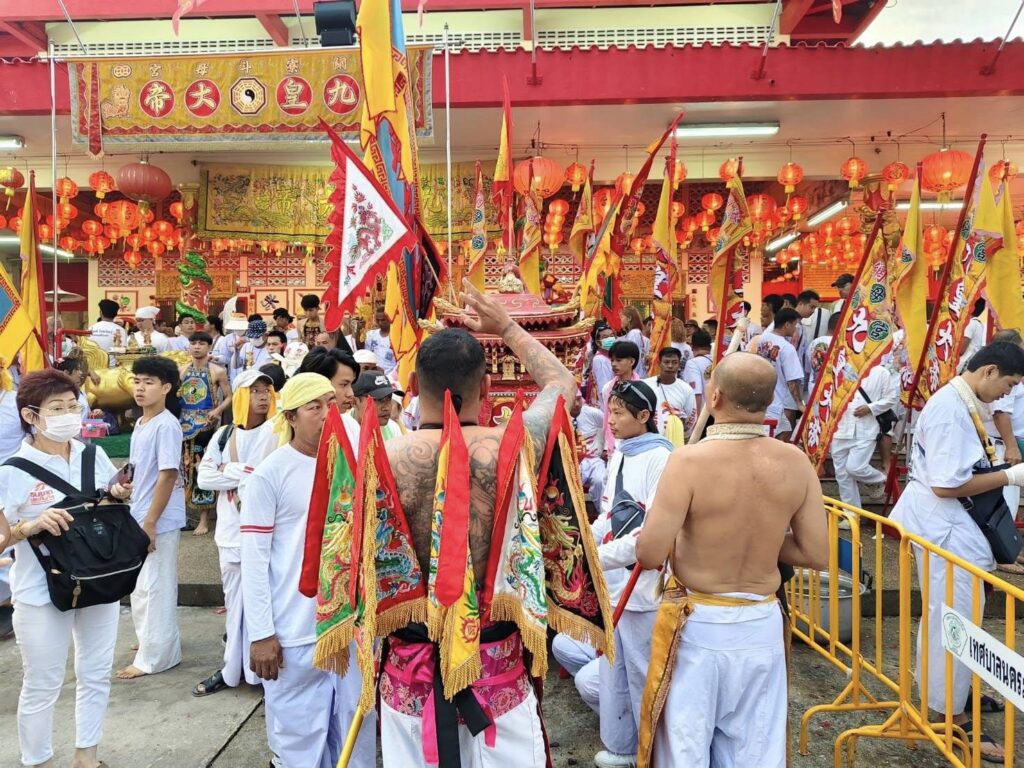
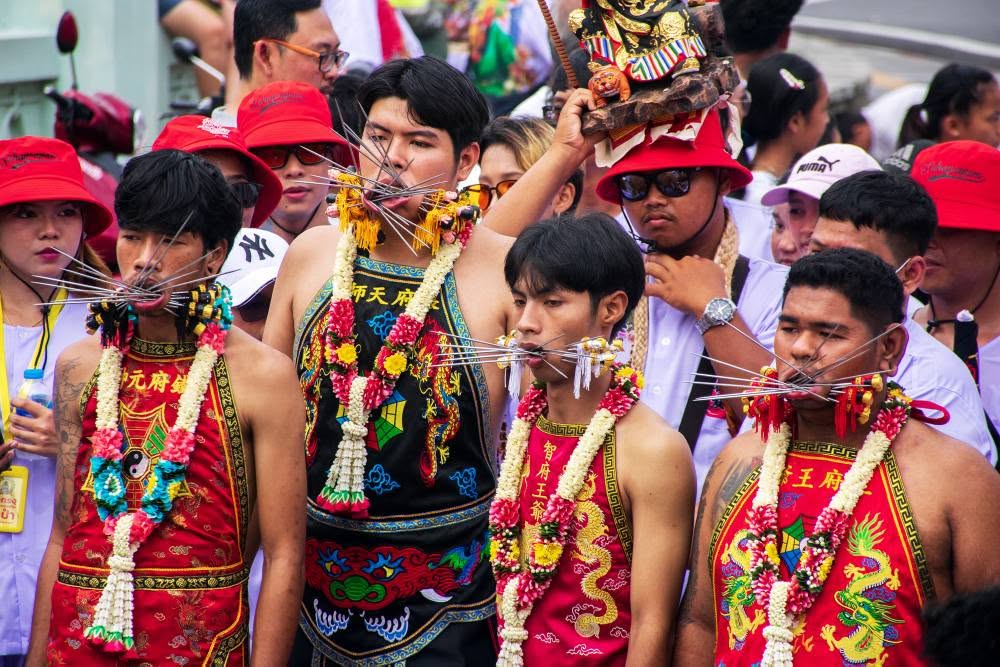
One of the most striking aspects of this Vegetarian Festival in Thailand involves spirit mediums known as Masong. These individuals act as human vehicles possessed by the Nine Emperor Gods. During morning ceremonies at Chinese shrines, the Masong enter trance states and undergo ritualized self-mutilation, such as piercing their cheeks with skewers, swords, or ceremonial objects. Devotees believe that possessed Masong do not feel pain during these rituals. By enduring these acts, the mediums absorb bad luck and spiritual debt on behalf of the local community. Shrines also host evening rites, including fire-walking and climbing bladed ladders, which act as symbolic acts of cosmic renewal.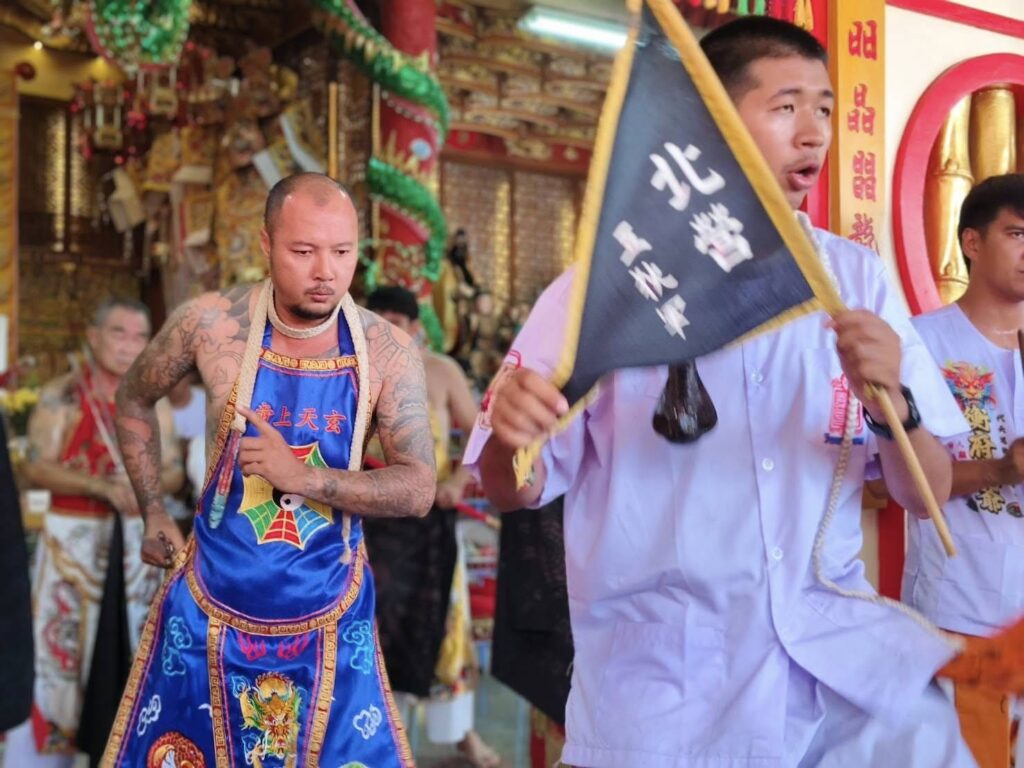
How Tesagan Gin Jay is Celebrated Today
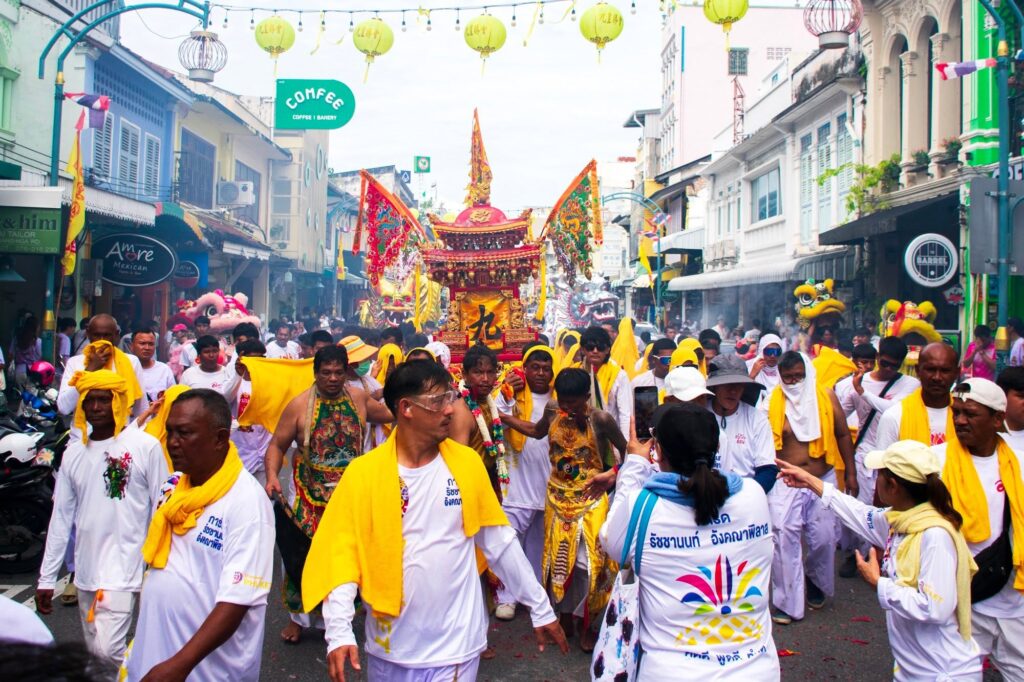
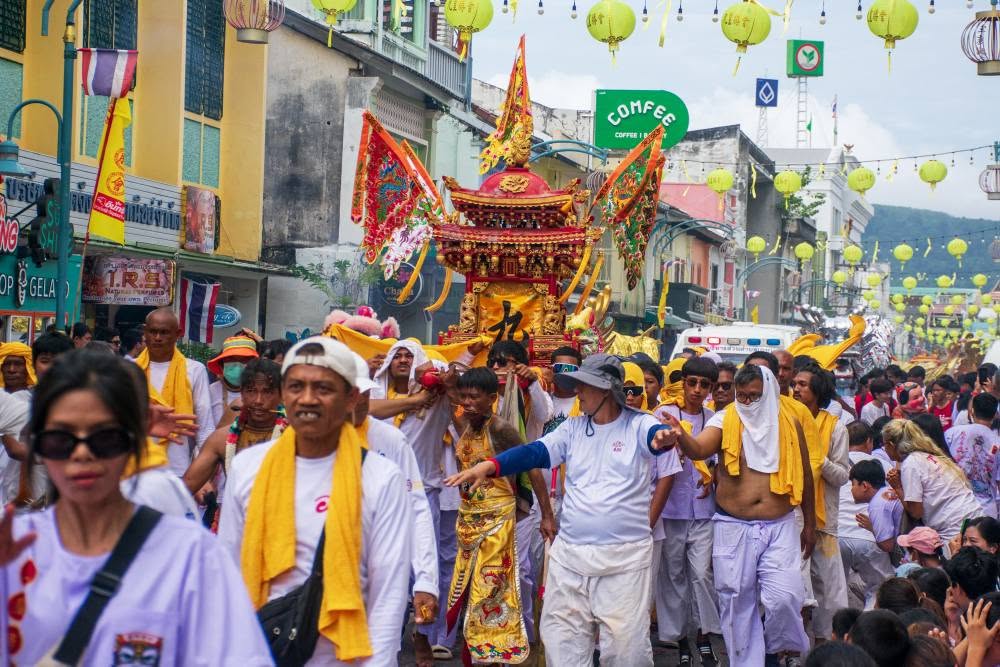
Today, Thailand’s Vegan Food Festival transforms normal routines across the island, especially in Old Phuket Town. Temporary food stalls line major thoroughfares like Ranong Road, selling vegan dishes such as fried tofu, spring rolls, and mushroom-based pink noodle soup (Yen Ta Fo).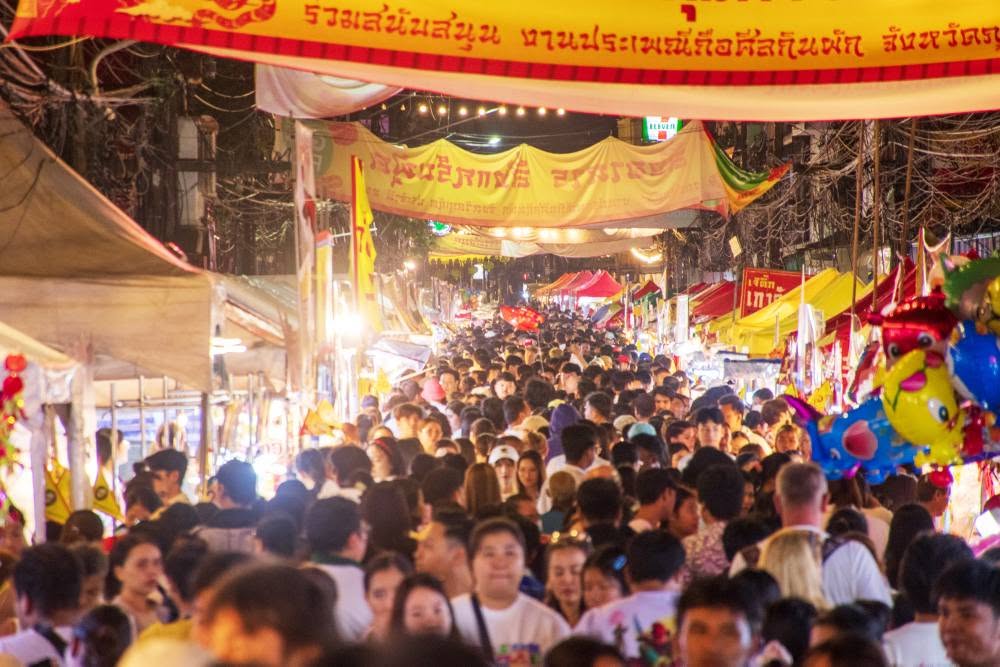
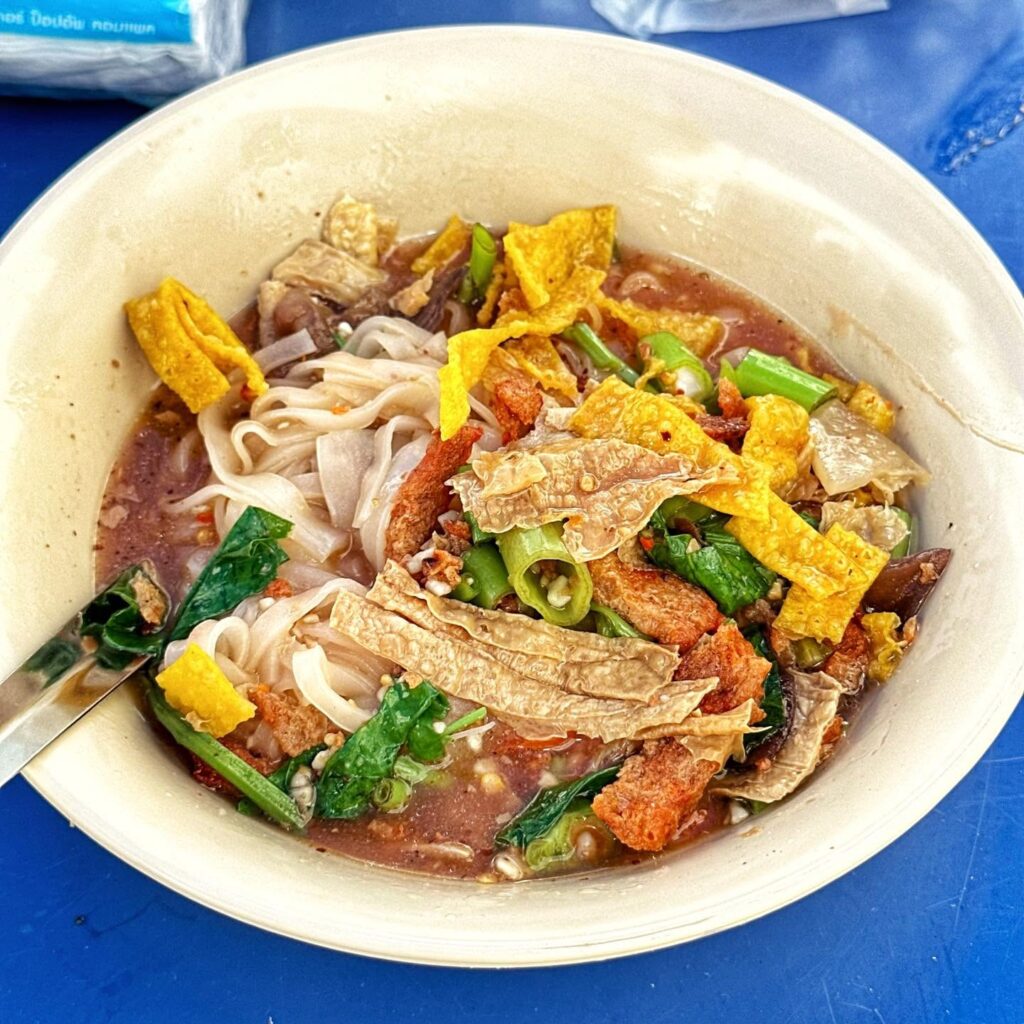
Credit Photo : จี้จอย
Public devotion rituals still happen every year. Each morning, a different shrine leads a procession through the streets accompanied by music and millions of loud firecrackers. Parades full of masongs, devotees, volunteers, and performers liven up the streets of Phuket during the festival. While this is happening, children, believers, and locals are welcomed to watch as the parade volunteers help the masong (while also handing out candy to the children). The event concludes on the final night with a massive late-night gathering at Saphan Hin, where statues of the gods are escorted to the water to mark their return to heaven.